Large Language Models (LLMs) like ChatGPT, Gemini, and Claude feel almost magical. They can draft essays, summarize reports, brainstorm ideas, and even write code. But anyone who has spent enough time with them knows their quirks. Sometimes they hallucinate, confidently making things up. Sometimes they give broad, generic answers when you need something specific. And because their knowledge is fixed at the time of training, it’s often outdated the moment you use them.
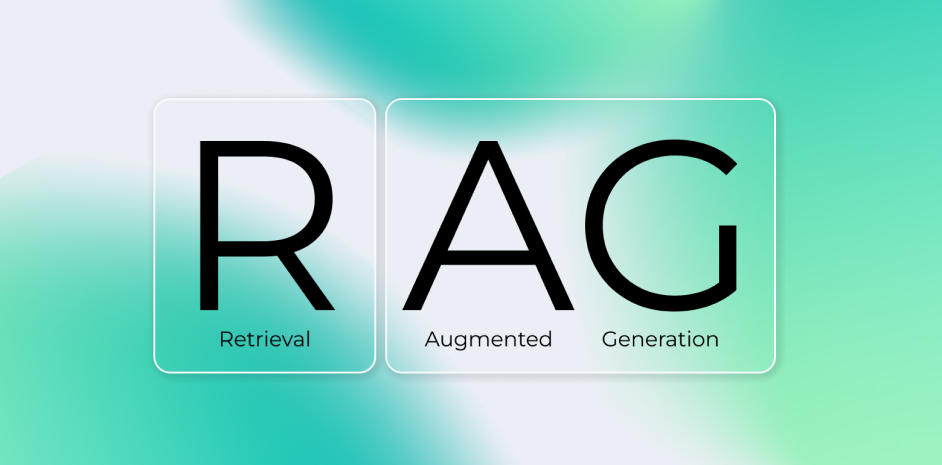
That’s where RAG — Retrieval Augmented Generation — comes in. You can think of RAG as giving an LLM a research assistant before it answers your question. Instead of relying only on what it remembers, a RAG-powered system first searches trusted external sources, like company manuals, recent news, or scientific papers. It doesn’t bring back entire documents but selects the most relevant chunks of information. Then it passes those snippets, along with your question, to the LLM. With this added context, the model generates a response that is far more accurate, specific, and grounded in reality.
The impact is significant. RAG reduces hallucinations, makes answers more reliable, and gives LLMs access to up-to-date knowledge without expensive retraining. It also allows AI systems to specialize in niche areas, from understanding a company’s product line to navigating legal or medical research. Many RAG systems even cite their sources, adding transparency and trust.
You’re likely already using RAG without realizing it. Customer service bots that seem to know every detail about a product, AI tools that summarize long documents, or workplace assistants that understand your company’s jargon are all powered by some form of retrieval. The future of AI isn’t just about building bigger models; it’s about smarter integrations with the vast amount of knowledge available in the world. By pairing language models with retrieval, we get AI that is not only faster but also more accurate, more trustworthy, and ultimately more useful.